
CNC Turning Services
Precision CNC turning for custom turned components, from prototypes to low-volume production. Supporting high-concentricity shafts, custom threads, precision bushings, and a wide range of materials.
Trusted by Companies Worldwide
CNC Turning Capabilities
Reliable turning capabilities to produce precise, high-quality, rotational parts.
| Diameter Range | Φ2 mm – Φ320 mm (bar feed up to Φ52 mm) |
| Max Length | Up to 500 mm |
| Tolerance | ±0.005 mm (size) / Runout: 0.003 mm |
| Surface Roughness | Ra 1.6 μm (standard), Ra 0.4 – 0.2 μm (precision) |
| Production Volume | Prototype to low-volume production |
Turning Processes & Solutions
Tailored turning solutions to meet different part complexities and production needs.
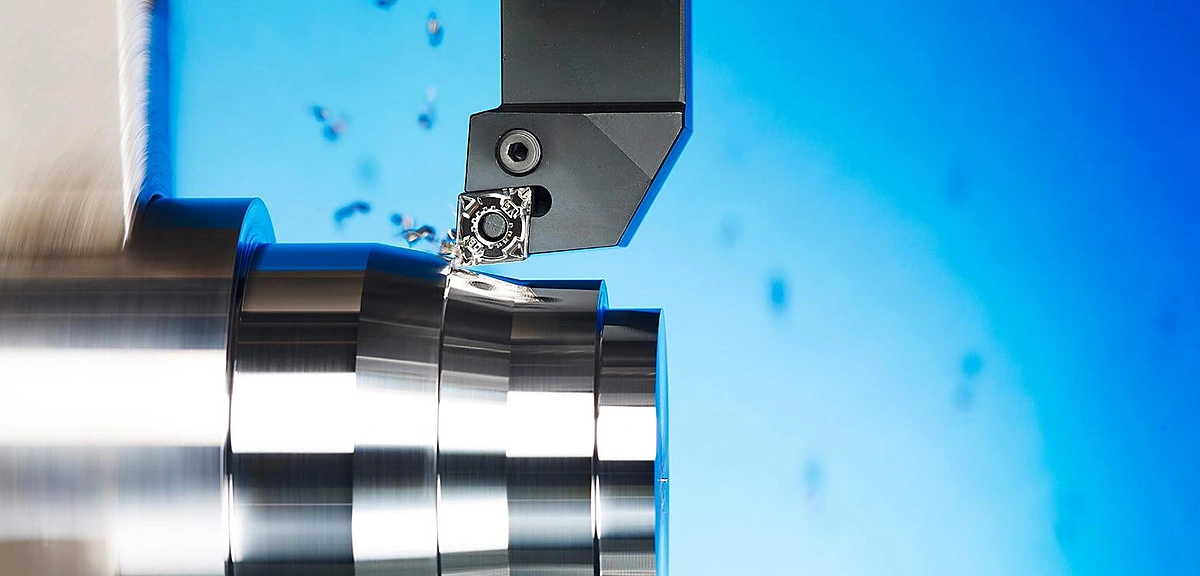
Standard Precision Turning
For shafts, bushings, flanges, and general rotational parts. High rigidity and stable quality.
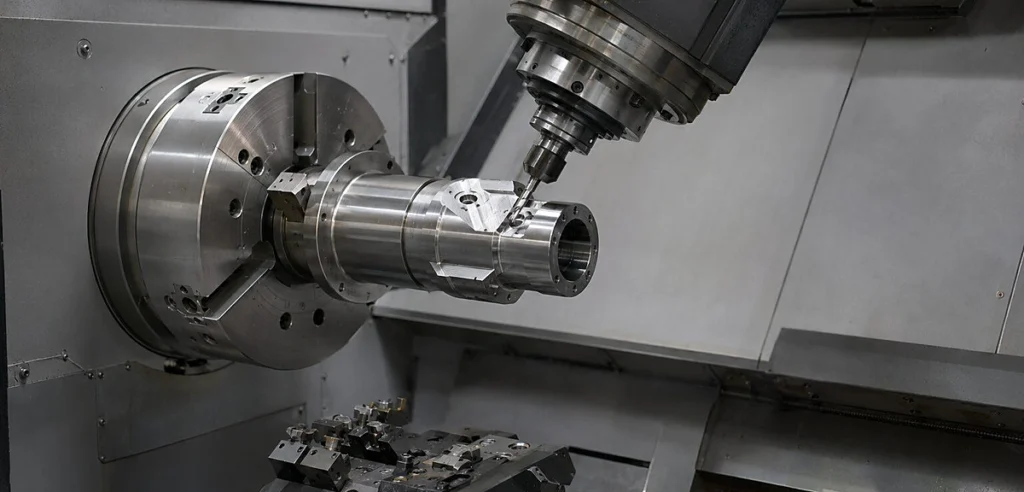
Turn-Mill / Live Tooling
Combine turning and milling in one setup to create cross-holes, flats, grooves, and other complex features, reducing repeat clamping.
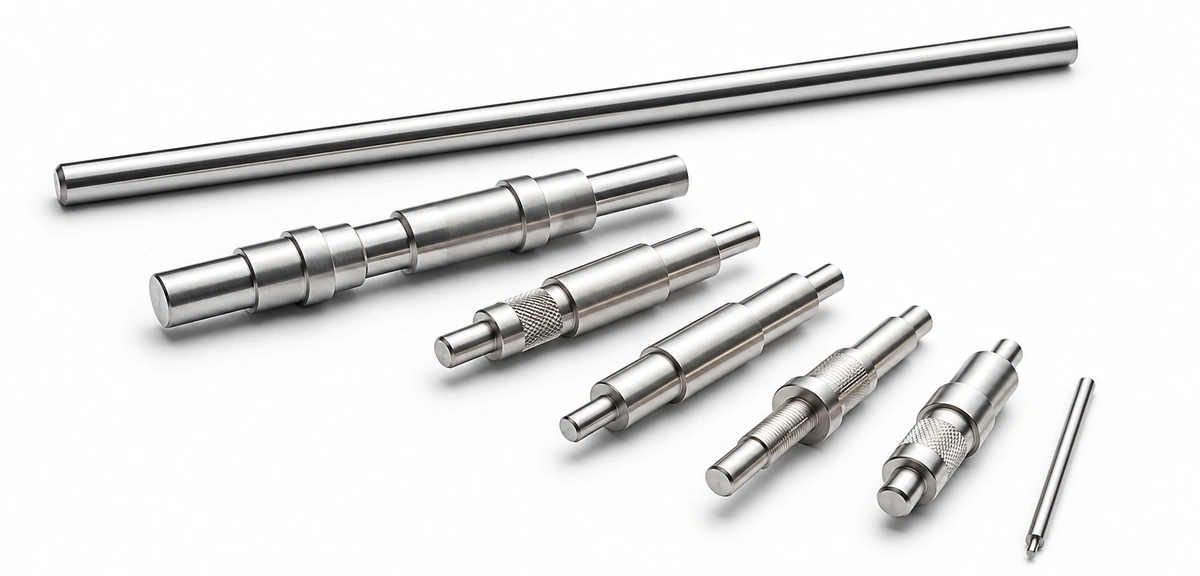
Small & Slender Parts
Precision turning for small-diameter parts and slender shafts (L/D > 10:1) with process control to minimize deflection.
Tvpical CNC Turned Parts
Custom turned components used in automation, fluid control, instrumentation, and other industries.
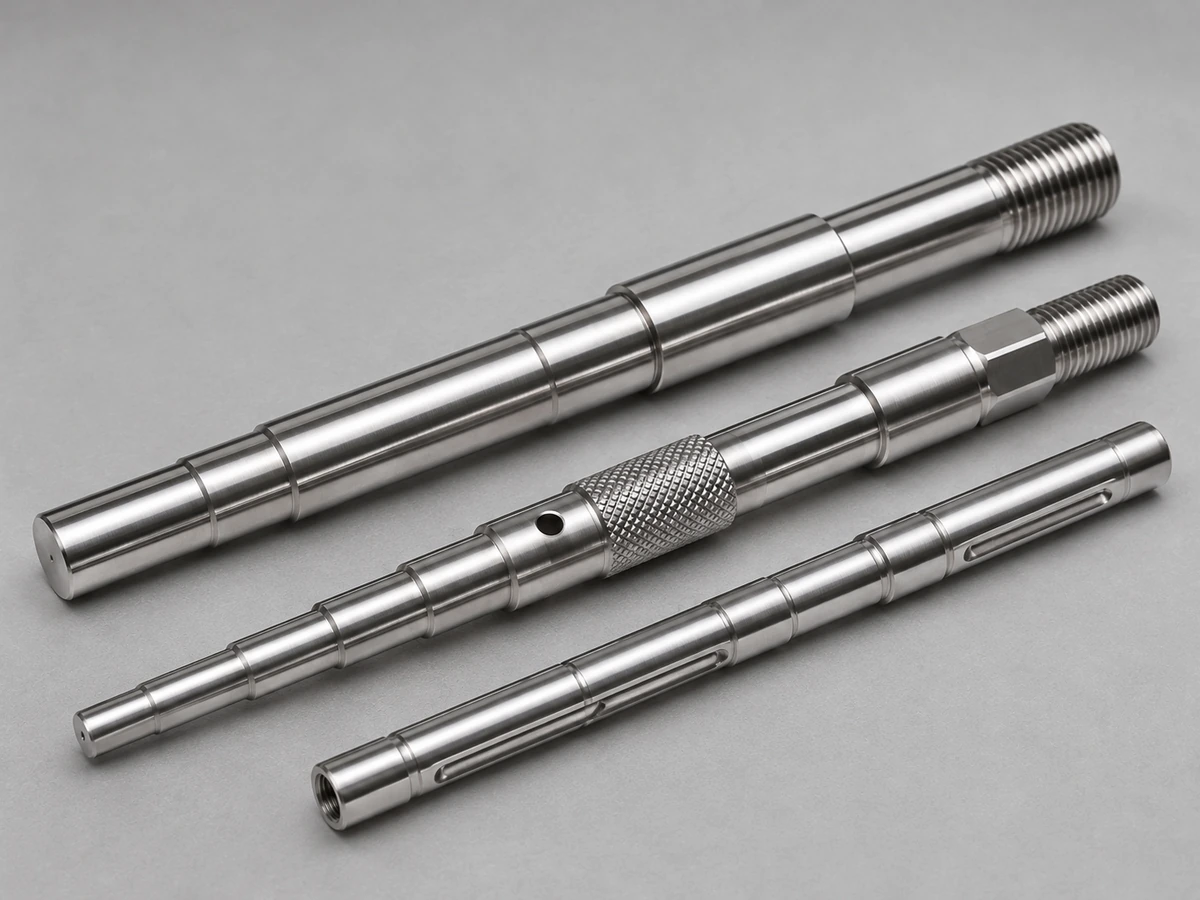
Shafts & Axles
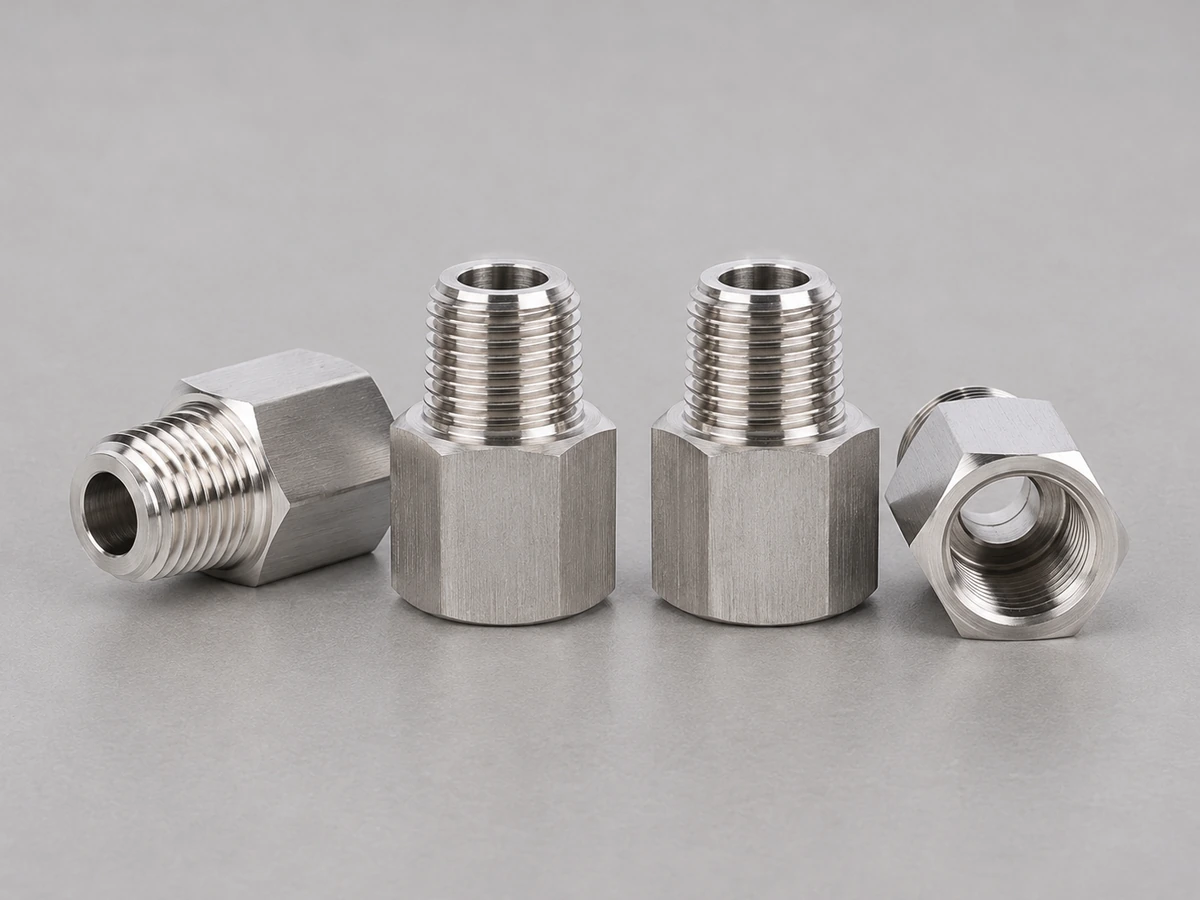
Threaded Fittings
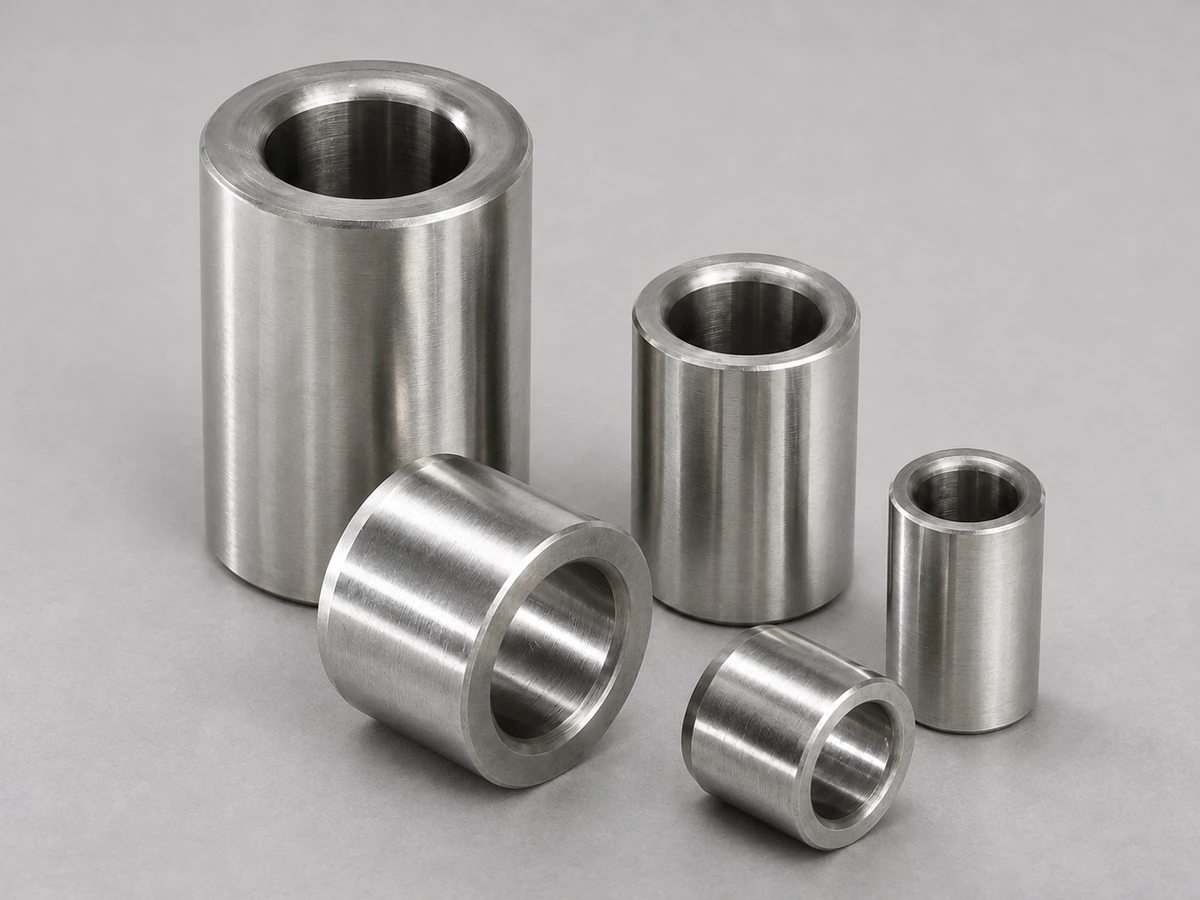
Bushings & Sleeves
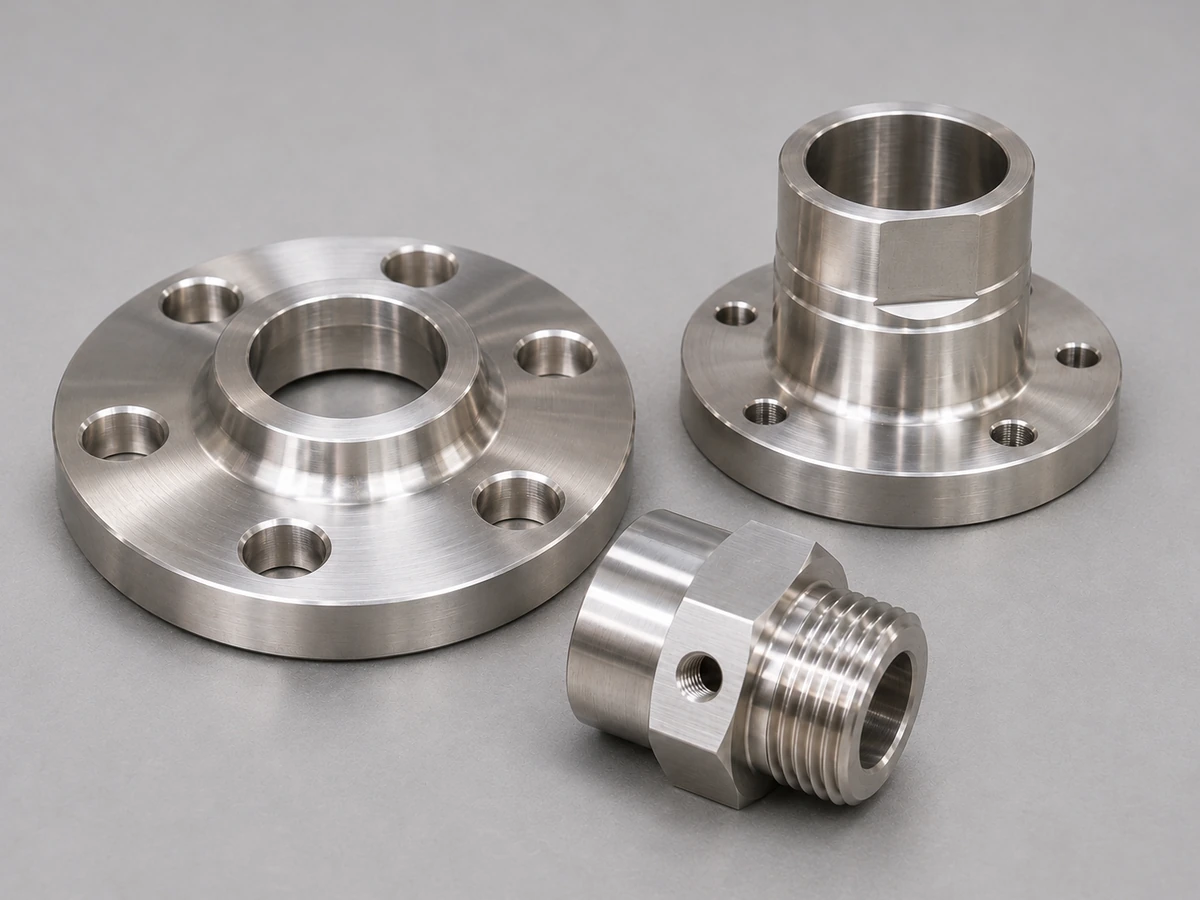
Flanges & Adapters
Engineering & Quality
Process control and inspection to ensure dimensional accuracy, functional performance, and production consistency.
Thin-Wall & Deep-Bore Considerations
Optimize clamping, tooling, and processes to reduce deformation and vibration.
Concentricity & Runout Control
Maintain tight concentricity and runout for precision fits and assembly requirements.
Dimensional & Thread Inspection
Inspect key dimensions, concentricity, runout, and threads using calibrated measuring tools.
Frequently Asked Questions
Common questions about CNC turning services, tolerances, and production.
What materials can be CNC turned?
We machine a wide range of metals and engineering plastics, including aluminum, stainless steel, carbon steel, brass, copper, titanium, POM, and PEEK. Material selection depends on part requirements and application.
What tolerances can CNC turning achieve?
Typical CNC turning tolerances depend on part geometry, material, and machining requirements. Tight tolerances down to ±0.005 mm may be achievable for selected features, subject to drawing review and manufacturing feasibility.
Can you machine prototypes and low-volume orders?
Yes. We support CNC turning projects from single prototypes to low-volume production, helping customers with design validation, functional testing, and small-batch manufacturing.
What CAD files are needed for a CNC turning quote?
We recommend submitting 3D CAD files in STEP or IGES format, along with 2D drawings in PDF or DWG format showing critical dimensions, tolerances, and surface finish requirements.
What factors affect CNC turning costs?
CNC turning costs depend on material, part size, complexity, tolerances, surface finish, and order quantity. Features such as deep holes, tight tolerances, and additional milling operations may increase machining time and cost.
Ready to Start Your CNC Turning Project?
Send us your CAD files, drawings, and project requirements for a quote.